
How Do Porta Potties Work?
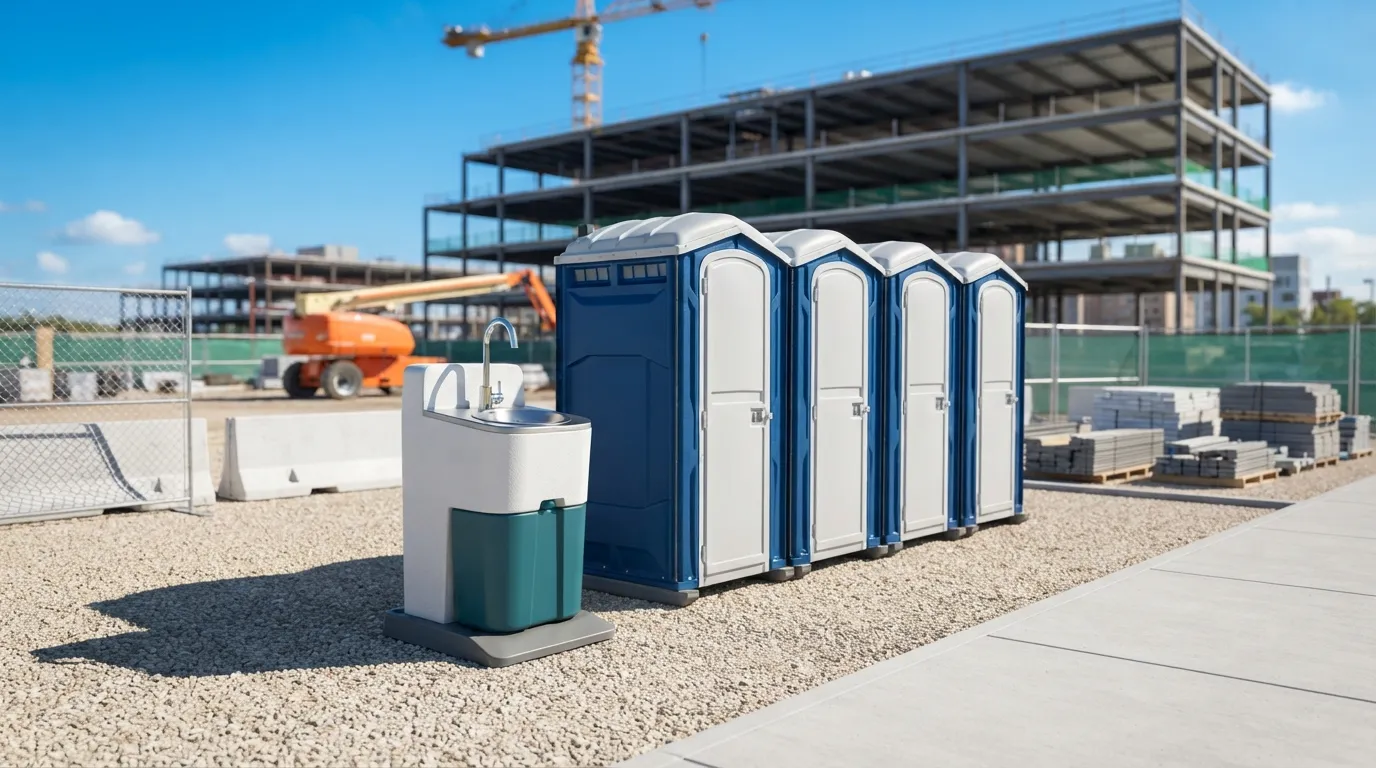
The design is straightforward. A molded plastic unit sits over a holding tank, and the seat has a trap door or direct drop into that tank below. There is no flush, no pipe running to a sewer line. Waste drops straight down and the blue or green liquid you see is a chemical treatment that controls odor and starts breaking down waste between pump-outs. A standard unit runs about 44 by 48 inches on the ground and stands roughly 92 inches tall, small enough to fit in a driveway or a job site corner without eating up much space. For a construction worker running to a porta potty between shifts, the whole point is speed: no line if placement is right, no wait for water pressure, nothing to break. Service techs from Vancouver Porta Pros pump the tank on a set schedule, wipe down the interior, and restock supplies. ANSI/PSAI Z4.3 sets a baseline of one service visit per week for up to 10 users across a 40 hour week, though busier sites need more frequent stops. If you are trying to figure out how many units a crew or event needs, our porta potty placement guide and how many porta potties do I need page walk through the math.
How Do Flushable Porta Potties Work?
They work like the standard unit but add a fresh water flush tank on top of the waste tank, so pushing the flush pedal or handle sends a small rinse of water down instead of leaving waste exposed. That is the core difference behind our deluxe flushable porta potty line. The flush water comes from an onboard reservoir the crew tops off during delivery, not a hose hookup, so it still works off-grid. Deluxe units also tend to include a sink, hand soap and a small mirror, closer to a real restroom experience. That matters for weddings and longer events where guests notice the difference. If you are comparing options for a backyard wedding or a multi-day festival, check wedding restroom rental or festival restroom rental for setups built around guest comfort rather than just code minimums. For sites needing multiple stalls without a full trailer, the 2 stall restroom trailer sits between a standard unit and a full luxury trailer.
How Does a Portable Sink Work?
A portable sink runs on the same off-grid logic: a fresh water tank up top gravity-feeds or pump-feeds the faucet, and a gray water tank underneath catches the runoff so nothing drains onto the ground. Soap dispensers are usually built in. Under 29 CFR 1910.141(d)(2), washing facilities need soap and towels or a hand-drying device. Hand sanitizer alone does not satisfy that standard, which is why a real sink setup matters more than a sanitizer stand on food-related or paint and coatings jobs. OSHA 1926.51(f)(1) specifically requires washing facilities where workers apply paints, coatings, herbicides or insecticides, since those contaminants need real soap and water, not gel. For a farm crew handling chemicals near Orchards, 6.4 miles northeast of Vancouver, or a painting crew working a home renovation, a handwashing station rental or portable sink rental covers that requirement directly. See handwashing requirements for the fuller breakdown of when sinks are mandatory versus optional.
Are Porta Potty Chemicals Safe, and How Often Do Camping Units Get Serviced?
Yes, the deodorizing chemicals used in the tank are formulated for enclosed portable units and are not the same as septic tank cleaning chemicals meant for a home system. Camping porta potties work the same way as job site units, just often smaller and serviced less frequently since usage is lighter. A residential septic tank, by comparison, typically needs pumping every 3 to 5 years depending on tank size and household size, a very different maintenance rhythm than a rental unit on a weekly service loop. If your camping trip or remote job site is near Minnehaha, 2.6 miles northwest of Vancouver, or further out toward Battle Ground, 11.7 miles north, service frequency and drive time both factor into scheduling. For questions about odor control specifically, do porta potties smell covers what the chemicals actually do. Cold weather changes things too, and porta potty in winter explains how freezing temperatures affect tank chemistry and servicing near Vancouver.
Do porta potties need a water hookup?
No. Standard and flushable units both operate off self-contained tanks, so no water line or sewer connection is needed. Flushable models carry their own fresh water reservoir. That is what makes them workable at remote sites, farms, and events without utilities nearby, including venues out past Camas, 11.7 miles east.
How many porta potties does a job site need?
OSHA 1926.51(c) sets ratios starting at one toilet for 20 workers or fewer, scaling up as crew size grows. Our how many porta potties do I need guide runs the numbers for bigger crews and longer projects.
Can a porta potty be ADA accessible?
Yes. ADA Standards 213.2 requires at least 5 percent of clustered units to be accessible, never fewer than one. These units meet ADA Standards 404.2.3 for door width and 304.3.1 for turning space. See ADA accessible porta potty for specs.
What is the difference between a porta potty and a restroom trailer?
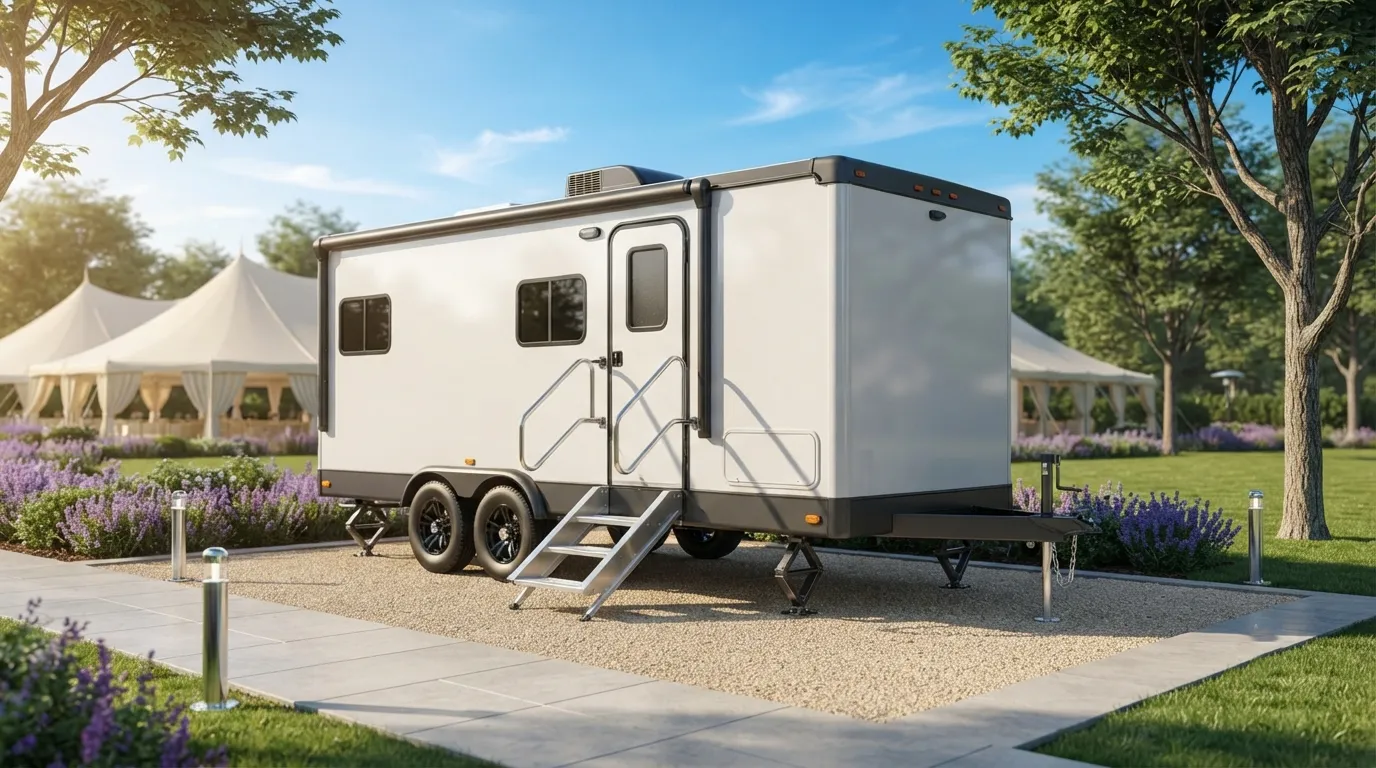
A porta potty is a single self-contained unit; a restroom trailer has multiple stalls, running water, and often climate control. Trailers suit larger events or longer jobs. Compare options on restroom trailer rental or the 4 stall restroom trailer.
How often are porta potties cleaned on a job site?
Weekly service is the industry baseline per ANSI/PSAI Z4.3 for lighter use, but busy sites often need two or more visits weekly. Details are on how often are porta potties cleaned, including how crew size changes the schedule.
Next step
Get a delivery date
Tell us the address, the dates and the headcount. We size the order and confirm the route.