
What Is a Holding Tank Used For?
A holding tank stores wastewater on site until a pump truck empties it. Some hold black water from toilets, some hold gray water from sinks, and some hold fresh potable water for hand-wash stations or drinking. Vancouver Porta Pros sets these up for construction crews, RV parking lots, remote job sites and events where sewer hookup does not exist. Pair one with a standard porta potty rental or a deluxe flushable porta potty and you get a self-contained system that needs no plumbing at all. A residential septic tank, for comparison, is typically pumped every 3 to 5 years depending on tank size and household size, but a job-site holding tank fills much faster with daily crew use and needs a service schedule built around actual headcount, not a calendar. If you are running a full crew, check how many porta potties do I need and read the OSHA portable toilet requirements before you order.
How Much Does Holding Tank Rental Cost?
| duration | low | typical | high |
|---|---|---|---|
| day | 150 | 250 | 300 |
| weekend | 50 | 150 | 150 |
These figures cover the tank and standard delivery; a separate delivery fee may apply depending on drive distance and access. Vancouver Porta Pros delivers within Vancouver itself and out to towns like Camas, 11.7 miles east, and Battle Ground, 11.7 miles north, at the same delivery-fee structure. Longer jobs cost less per day: compare the porta potty rental per day numbers against a monthly porta potty rental before committing to a short-term rate. Pumping frequency drives the real cost. A grease interceptor, for reference, gets pumped once fats, oils, grease and solids reach 25 percent of liquid depth, and a job-site holding tank follows the same logic: more users means more frequent pumps, not a bigger tank alone. Ask about septic pumping service and septic tank pumping cost if you are unsure which route fits your site, and see septic tank warning signs if an existing tank is acting up.
Do RV Parks and Job Sites Need Different Tanks?
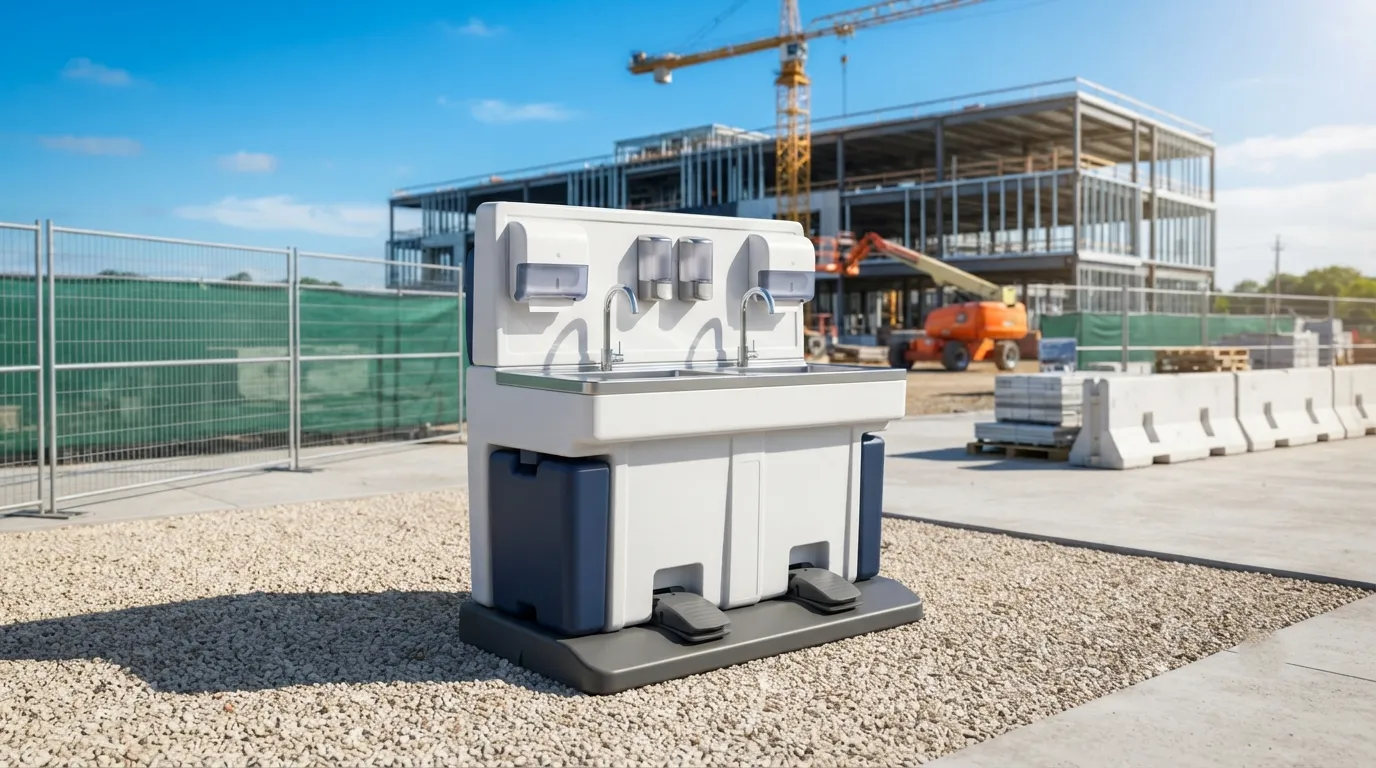
Yes. An RV holding tank rental is usually smaller and made for periodic pump-outs at a campground or gravel lot, while a job-site tank supports a crew all day, every day, for weeks. RV setups pair well with camping porta potty service or a farm and agricultural restrooms package if the site is rural. Construction crews should also look at construction site services for the full sanitation picture, including handwashing station rental and portable sink rental options, since OSHA 1926.51(a)(1) requires an adequate supply of potable water at all places of employment. If workers apply paints, coatings or insecticides, OSHA 1926.51(f)(1) also requires washing facilities for that contaminant exposure specifically. General toilet counts fall under OSHA 1926.51(c), which sets ratios by crew size. Vancouver's mix of active builds and rural edges near Orchards and Hazel Dell means tank choice often comes down to access: a temporary power pole or light tower rental may share the same delivery run.
How long can I rent a holding tank?
Rentals run from a single weekend to several months. Vancouver Porta Pros sets pump-out intervals based on tank size and daily use, and long jobs typically shift to a monthly porta potty rental style agreement for lower per-day cost.
What is the difference between a holding tank and a septic tank?
A septic tank treats and disperses wastewater on site through a drain field. A holding tank just stores it until a truck pumps it out. Job sites and RVs use holding tanks because there is no permanent drain field to tie into.
Can I rent a fresh water holding tank too?
Yes, fresh water tanks are available alongside black water and gray water units. They pair with handwashing station rental or hand sanitizer station rental setups to meet OSHA 1926.51(a)(1) potable water requirements on a job site.
Do I need a permit for a holding tank in Vancouver?
Placement on a right-of-way or public easement needs confirming with the city; check porta potty permit requirements before delivery. Private property placement generally does not need the same review, but call ahead to confirm.
How often does the tank need to be pumped?
It depends on tank size and daily user count. Vancouver Porta Pros builds a pump schedule at delivery, similar to the one-visit-per-week baseline in ANSI/PSAI Z4.3 for standard sanitation units.
Next step
Get a delivery date
Tell us the address, the dates and the headcount. We size the order and confirm the route.